

You spit into the sink after brushing your teeth and notice something concerning: pink toothpaste, a little blood, or bright red streaks around your gums. Maybe it only happens occasionally. Maybe you’ve noticed it for months and assumed you were brushing too hard.
Here’s something worth knowing: healthy gums generally shouldn’t bleed during routine brushing or flossing.
Bleeding gums are one of the most common early warning signs that something needs attention. While the cause might be as simple as an overly aggressive brushing technique, persistent bleeding can also indicate gingivitis, periodontal disease, or another oral health concern.
At Comprehensive Dental Care in Gainesville, FL, we believe that understanding what’s happening in your mouth is the first step toward protecting your smile. Whether you’re experiencing occasional bleeding or have been avoiding the dentist because you’re worried about what they’ll find, our team is here to help you get answers without judgment.
Is It Normal for Your Gums to Bleed When Brushing?
A small amount of bleeding may seem harmless, especially if it stops quickly. However, frequent bleeding is not something to ignore.
Healthy gums typically appear pink, feel firm, and fit snugly around your teeth. They should tolerate gentle brushing and cleaning between teeth without routinely bleeding.
When your gums become inflamed, the small blood vessels within the tissue become more vulnerable to irritation. Even light contact from a toothbrush or dental floss can cause bleeding.
The most important question isn’t how much blood you see. It’s why your gums are bleeding in the first place.
If your gums bleed repeatedly, a dental evaluation can help identify whether the problem is related to brushing habits, plaque accumulation, gum disease, medication, or another factor.
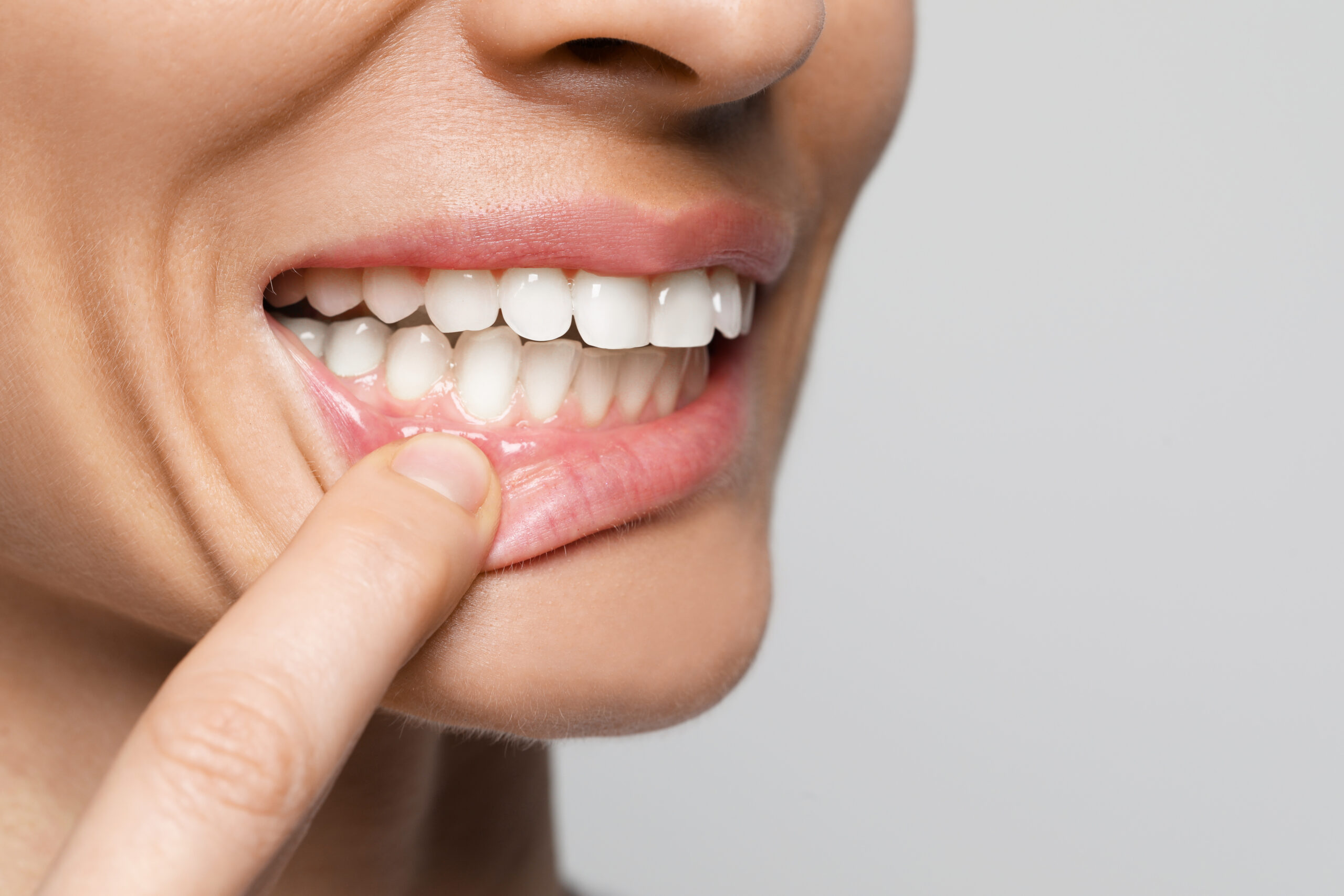
7 Common Reasons Your Gums Bleed
1. Gingivitis: The Earliest Stage of Gum Disease
Gingivitis is one of the most common reasons for bleeding gums. It develops when plaque, a sticky film of bacteria, accumulates along the gumline.
If plaque isn’t removed consistently, bacteria can irritate the surrounding gum tissue, causing redness, swelling, tenderness, and bleeding.
The encouraging news is that gingivitis is generally reversible with professional cleaning and consistent oral hygiene before permanent damage to the tissues supporting your teeth occurs.
2. Periodontitis: When Gum Disease Progresses
Untreated gingivitis can progress to periodontitis, a more serious form of gum disease that damages the tissues and bone supporting your teeth.
Unlike early gingivitis, periodontitis can cause irreversible bone loss. Symptoms may include persistent bleeding, receding gums, bad breath, loose teeth, or changes in how your teeth fit together.
At Comprehensive Dental Care, our periodontal care services focus on identifying gum disease and managing the inflammation and infection that threaten your long-term oral health.
Treatment may include scaling and root planing, also known as deep cleaning, along with ongoing periodontal maintenance.
3. Brushing Too Hard
Scrubbing harder doesn’t necessarily make your teeth cleaner.
Using a hard-bristled toothbrush or applying excessive pressure can irritate your gum tissue. Over time, aggressive brushing may also contribute to gum recession and wear along the tooth surfaces.
Try switching to a soft-bristled toothbrush and using small, gentle movements along the gumline. If you’re using an electric toothbrush, allow the brush to do the work rather than pressing firmly against your teeth.
4. Starting or Restarting a Flossing Routine
If you haven’t flossed regularly, your gums may bleed when you begin cleaning between your teeth again.
This can happen because the gum tissue is already inflamed from plaque accumulation. With gentle, consistent cleaning, bleeding caused by mild gingival inflammation may improve.
However, bleeding that persists beyond a week or two should be evaluated rather than dismissed as a normal part of flossing.
5. Hormonal Changes
Hormonal fluctuations during puberty, pregnancy, and other life stages can make gums more sensitive to plaque and inflammation.
Pregnancy gingivitis, for example, can cause swollen or bleeding gums even when someone has maintained relatively good oral hygiene.
If you’re pregnant or experiencing hormonal changes, tell your dentist. Your dental team can help you maintain healthy gums while considering your individual needs.
6. Certain Medications or Medical Conditions
Some medications, particularly blood thinners, can make bleeding more noticeable. Other medications may affect saliva production or gum health.
Medical conditions such as diabetes can also influence the body’s response to periodontal infection.
Certain vitamin deficiencies and blood disorders may contribute to bleeding as well.
Never stop a prescribed medication because your gums bleed. Instead, share your medication list and health history with your dentist and medical provider.
7. Plaque and Tartar Buildup
Even patients who brush twice daily can miss plaque around the gumline and between teeth.
When plaque hardens into tartar, it cannot be removed with a regular toothbrush. Professional dental instruments are needed to clean these deposits away.
Regular dental checkups and preventive care can help remove buildup, identify early inflammation, and reduce the risk of gum disease progression.
What Happens If You Ignore Bleeding Gums?
Bleeding gums may be your body’s earliest visible warning that something isn’t right.
When inflammation continues unchecked, bacteria can accumulate beneath the gumline. In some patients, this leads to deeper periodontal pockets, damage to the tissues holding the teeth in place, and gradual bone loss.
You might not notice the progression immediately because periodontal disease can develop without significant pain.
Over time, untreated periodontitis can contribute to:
- Gum recession that exposes sensitive root surfaces.
- Persistent bad breath or an unpleasant taste.
- Increased tooth sensitivity.
- Changes in your bite or tooth positioning.
- Loose teeth and, in advanced cases, tooth loss.
Not everyone with bleeding gums develops advanced periodontal disease. However, early diagnosis gives you more opportunities to address problems before they require extensive treatment.
How Do Dentists Treat Bleeding Gums in Gainesville?
Treatment depends on the underlying cause and the condition of your gums.
At Comprehensive Dental Care, your evaluation may include reviewing your symptoms, examining your gum tissue, measuring periodontal pockets, and taking appropriate diagnostic images to assess the structures supporting your teeth.
For mild gingivitis, a professional cleaning and improvements to your home care routine may be sufficient.
If periodontitis is present, your dentist may recommend scaling and root planing to remove bacterial deposits beneath the gumline. Periodontal maintenance appointments may also be necessary to help manage the condition over time.
If bleeding appears related to medications or another medical concern, your dentist may recommend coordinating with your physician.
The goal is to understand the cause, explain your options, and recommend an approach that supports lasting gum health.
6 Ways to Help Prevent Bleeding Gums at Home
Healthy gums require consistent care, but that doesn’t mean you need a complicated routine.
- Brush twice daily. Use a soft-bristled toothbrush and fluoride toothpaste, paying particular attention to the gumline.
- Clean between your teeth every day. Floss, interdental brushes, or other recommended tools help remove plaque where toothbrush bristles cannot reach.
- Avoid aggressive brushing. Gentle, thorough cleaning is more effective than scrubbing with excessive pressure.
- Keep up with recommended dental visits. Professional cleanings remove hardened tartar and allow your dentist to monitor changes in your gum health.
- Avoid tobacco products. Smoking increases the risk of periodontal disease and can interfere with healing. It may also mask gum bleeding, making inflammation less obvious.
- Pay attention to changes. New swelling, soreness, persistent bad breath, or gum recession deserves attention even when bleeding is minimal.
These habits can support healthier gums, but they do not replace professional treatment when periodontal disease has already developed.
Frequently Asked Questions About Bleeding Gums
- Why do my gums bleed even though I brush every day?
Brushing regularly doesn’t always remove plaque from between your teeth or beneath the gumline. Bleeding may indicate gingivitis, tartar buildup, brushing irritation, or an underlying health concern. If it keeps happening, a gum health evaluation in Gainesville can help identify the cause.
- Can bleeding gums heal on their own?
Mild gingivitis can often improve with consistent oral hygiene and professional cleaning. However, established periodontitis does not resolve through brushing alone and requires professional management. Persistent bleeding should be evaluated to determine which condition is present.
- Should I stop flossing if my gums bleed?
Usually, no. Continue cleaning gently between your teeth unless your dentist advises otherwise. Avoid snapping the floss against your gums. If bleeding is heavy, painful, or continues despite consistent gentle care, schedule a dental examination.
- How do I know if I need a regular cleaning or a deep cleaning?
A regular cleaning addresses routine plaque and tartar buildup, while scaling and root planing treats deposits beneath the gumline associated with periodontal disease. Your dentist makes that determination through a clinical examination, periodontal measurements, and appropriate imaging. You can learn more about periodontal treatment at Comprehensive Dental Care.
Don’t Ignore What Your Gums Are Telling You
Bleeding gums don’t automatically mean you have serious gum disease, but they do deserve an explanation.
Whether you’ve noticed blood while brushing for the first time or have been experiencing symptoms for months, Comprehensive Dental Care can help you understand what’s happening and what to do next.
Our Gainesville dental office provides personalized preventive and periodontal care for patients throughout West Gainesville, Haile Plantation, Tioga, Jonesville, and surrounding North Central Florida communities.
Ready to find out why your gums are bleeding?
Schedule your appointment with Comprehensive Dental Care or call (352) 371-9831.
We’re located at 3909 Newberry Road, Suite G, Gainesville, FL 32607, and we welcome new patients who are ready to take the next step toward healthier gums.
